
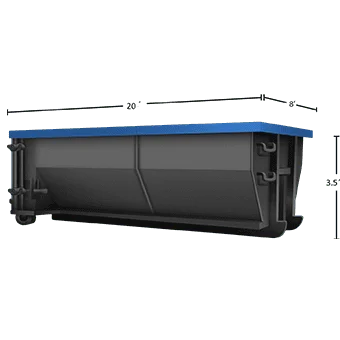
Describe volume and weight as different questions
Explain the approximate amount and what it consists of. Light bulky contents and dense debris can occupy similar space while creating different handling needs. Ask for the loading limits applicable to the proposed equipment.
Do not use an empty-looking top section as permission to add more material. The operator's restrictions matter independently of visible spare capacity.
Review how material enters the container
Ask whether the proposed model's door or other features fit the loading method. Give the responsible crew the operator's instructions, including prohibited material and any limits. Avoid unsafe improvisation or climbing based on an online example.
Keep the loading space separate from the vehicle's collection approach. A useful position on day one can become inaccessible after supplies or debris are stacked beside it.
Discuss a staged alternative where necessary
Separate containers or an exchange may be worth considering where materials differ or space is limited. Describe that need and ask what can be proposed for the dates. No exchange time or additional equipment is guaranteed here.
Compare the complete scope, including duration and collection, rather than choosing only the largest printed size. Final suitability is reviewed for the site and load.
Questions before you book
Does a larger container always permit more weight?
No. Confirm material and loading restrictions for the actual proposal.
Can driveway measurements settle the choice?
They help describe the site, but vehicle approach, setup, permission and collection also matter.